

The Owner Bottleneck: When Success Depends on One Person
How to identify and eliminate dependency on the founder.
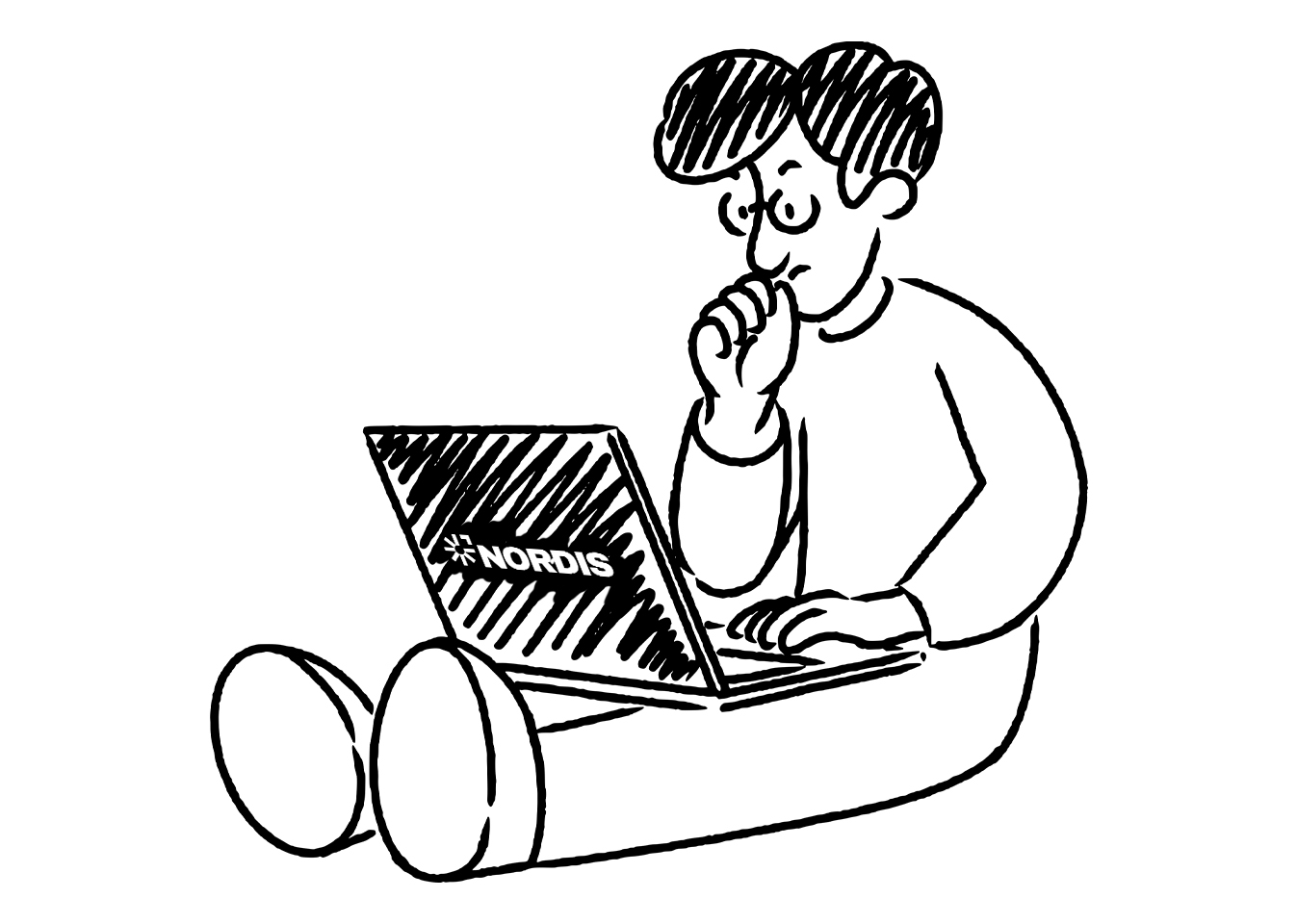
At some point, most businesses stop growing not because of market conditions, competition, or lack of demand, but because of one structural flaw: everything runs through the owner.
Decisions. Approvals. Escalations. Payments. Hiring. Vendor issues. Even problems that should never reach the top somehow do. The business may look busy, profitable, and expanding, but underneath, it is fragile. Remove the owner for a week and everything slows. Remove them for a month and the business starts to break.
This is the owner bottleneck.
What the Owner Bottleneck Actually Looks Like
The owner bottleneck does not always feel like failure. In fact, it often shows up during periods of growth.
- The owner is constantly in meetings but never fully caught up
- Teams wait for approvals instead of executing
- Managers defer decisions upward “just to be safe”
- Reports exist, but no one trusts them without owner review
- The owner feels indispensable and exhausted at the same time
From the outside, this looks like leadership. Internally, it is dependency.
Why Businesses Drift Into This Problem
Most owners build their companies by doing everything themselves early on. That instinct does not disappear when the company grows. Revenue increases, headcount increases, complexity increases, but authority, clarity, and systems do not.
Over time, the owner becomes the central processor for the entire organization. Not because they want to, but because the business was never redesigned to operate without them.
Delegation fails when:
- Roles are unclear
- Decision rights are undefined
- Reporting is inconsistent or unreliable
- Managers are held accountable without being empowered
When structure is missing, control flows upward. Always.
The Hidden Cost of Being the Bottleneck
The real cost of the owner bottleneck is not stress. It is opportunity loss.
- Strategic work gets delayed because the owner is stuck in operations
- High-quality managers leave because they cannot truly lead
- Growth decisions are reactive instead of intentional
- The business cannot scale without adding more pressure to the owner
In extreme cases, the company becomes unsellable because it cannot function independently.
If the owner cannot step away without fear, the business does not own itself. The owner owns a job.
Removing the Bottleneck Requires Design, Not Motivation
This problem is not solved by working harder, hiring faster, or trusting people more. It is solved by redesigning how the business operates.
That redesign includes:
- Clearly defined roles with real decision authority
- Reporting systems that create visibility without constant check-ins
- Standard operating procedures that remove ambiguity
- Management layers that absorb complexity instead of passing it up
When these elements are in place, control moves out of the owner’s head and into the organization.
The Test Every Owner Should Apply
Ask yourself one question:
If I stepped away for 30 days, would this business operate correctly, or would it simply survive?
If the answer is survival, not execution, the bottleneck still exists.
Removing it is not about letting go. It is about building something that no longer needs to hold on.